
Total Loss Valuation Dispute Expansion Guide
Insurance Says it's a mechanical problem, not part of the claim
Total Loss Valuation Dispute Guide
Total loss valuations are one of the most manipulated parts of an auto insurance claim. Insurers use internal software, selective comparables, and depreciation tactics to reduce payouts. This guide breaks down how valuations work, why they are often low, and how EstiVerify helps you challenge them.
Total Loss Questions And Disputes
How does the insurance company decide my car is a total loss
Total loss calls are based on internal thresholds, not on whether the car is repairable. Insurers compare repair cost against the car's valuation.
EstiVerify reviews the valuation and the repair estimate to see if the call was accurate or rushed.
Why does the insurer say repairs exceed the actual cash value
This often comes from low valuations, not high repairs. If the valuation is low, even normal repairs can exceed it.
EstiVerify identifies valuation errors and incomplete repair estimates.
What is actual cash value and how do they calculate it
Insurers use market value minus depreciation and condition adjustments. These adjustments are often overused.
EstiVerify compares their ACV to real market data.
Why is my car valued lower than identical cars online
Insurers often choose the cheapest vehicles they can find to lower their payout.
EstiVerify reviews their comparables for accuracy and fairness.
Why do they say online prices are not valid comparables
They want to use their own valuation system, which tends to provide lower numbers.
EstiVerify documents real world comparables to challenge their report.
Why do they use cars from different cities or states
Out of area comparables can artificially lower your value if your market is higher priced.
EstiVerify checks geographic accuracy and local pricing.
Why do they deduct so much for condition
Condition adjustments are one of the largest valuation manipulation tools insurers use.
EstiVerify identifies unfair or excessive deductions.
Why does the report say my car had prior damage that was not there
Valuation companies sometimes claim prior damage to justify a lower payout.
EstiVerify compares the valuation claims against photos and history.
Why does the insurer reduce value for normal wear
Normal wear is often treated like damage to lower the payout.
EstiVerify highlights excessive deductions.
Why did they deduct for things my car actually had
Missing features and incorrect equipment lists lower the valuation.
EstiVerify checks each feature and option to ensure accuracy.
Why do they use cars with accidents as comparables
Comparing your clean title car to one with accident history lowers your valuation unfairly.
EstiVerify filters out invalid comparables.
Why are the comparable cars all base models
Using lower trim levels or missing options reduces your payout.
EstiVerify checks trim, features, and equipment accuracy.
Why do they ignore my upgrades or maintenance
Valuation reports often ignore maintenance records or recent major service.
EstiVerify includes verified upgrades and value influencers.
Why are their comparable cars all high mileage
Higher mileage comparables artificially lower your valuation.
EstiVerify reviews mileage adjustments for fairness.
Why are the comparables from private sellers but priced low
Private seller vehicles may not reflect true market value.
EstiVerify compares to retail and dealer inventory where appropriate.
Can I dispute the valuation
Yes. Most people do not, but disputing a valuation often increases payout.
EstiVerify provides the evidence needed for a strong dispute.
Can I request a re evaluation
You can request corrections, new comparables, or removal of unfair deductions.
EstiVerify prepares a list of corrections.
Can I submit my own comparables
Yes. Many insurers accept outside comparables if they are legitimate and verified.
EstiVerify identifies stronger matches.
What if the adjuster refuses to change the valuation
You can escalate or request written justification for every deduction.
EstiVerify prepares a structured rebuttal.
What if I am being pressured to accept the valuation quickly
Fast acceptance is a tactic. They want to finalize before you find issues.
EstiVerify helps identify missing value so you do not sign too soon.
Why does the insurer say the repair cost is too close to the threshold
Thresholds vary by company. Insurers often push borderline cases into total loss to avoid expensive repairs.
EstiVerify checks whether repairs were underpriced.
Why does the insurer lower my car's value to call it a total loss
Low valuations allow them to avoid supplement-heavy repairs.
EstiVerify compares ACV to real market data.
Why is salvage value deducted from my payout
Salvage value affects payout only if you choose to retain the vehicle.
EstiVerify helps you understand whether retention makes sense.
Why does the insurer control the salvage bid
Insurers want salvage bids low to reduce what they owe you.
EstiVerify checks salvage valuation accuracy.
Why did they change numbers after I challenged the valuation
Adjusters often modify comparables when pushed, proving the initial number was not accurate.
EstiVerify helps you track and expose these changes.
How EstiVerify identifies low valuations
We check feature accuracy, upstream comparables, mileage fairness, and unrealistic condition deductions.
How EstiVerify reveals missing value
We calculate the difference between the insurer valuation and true market replacement cost.
How EstiVerify supports your dispute
We prepare a clean correction list, fair comparables, and valuation notes to challenge their decision.
How EstiVerify exposes math games in the total loss call
We identify underpriced repair items, unfair threshold math, and valuation manipulation.
How EstiVerify keeps the focus on the money they left off
Total loss disputes are not about policy language. They are about the value the insurer took away. EstiVerify shows how much you were shorted.
Do Not Accept A Low Total Loss Valuation
Most total loss valuations are thousands below true market value. EstiVerify provides a clear, evidence based review so you can challenge the number before you accept it.
Get In Touch
Email: [email protected]
Address
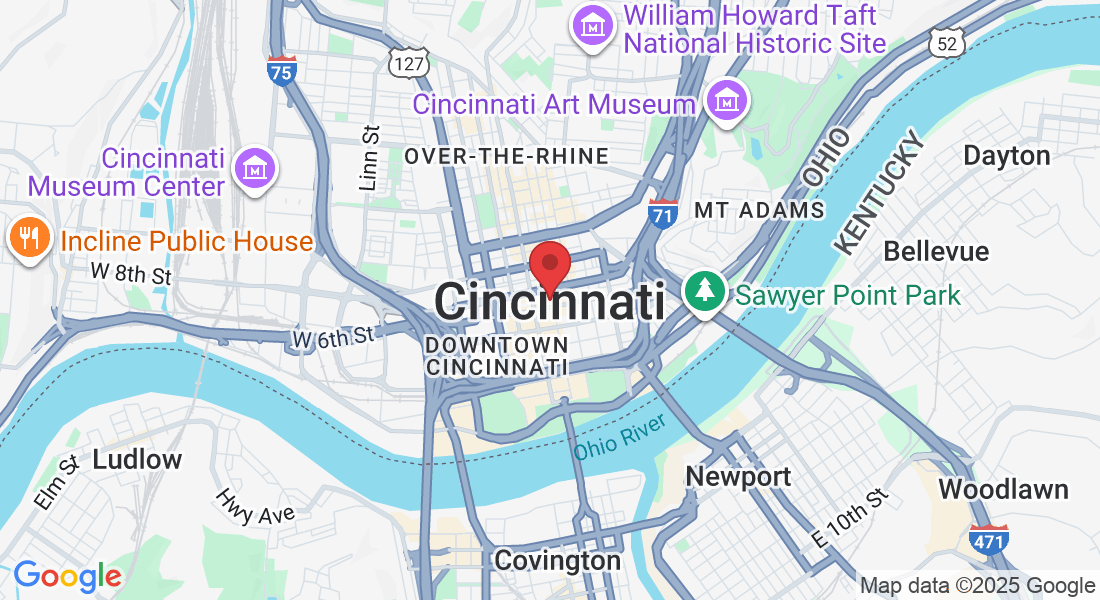
Office: Cincinnati, OH
Assistance Hours
AI Voice Assistant Available 24/7
Phone Number:
(859) 743-3041
EstiVerify
Giving vehicle owners their power back in collision repairs.
© 2026 EstiVerify - All Rights Reserved