
Rental & Supplements Problems Guide
This guide explains why repair estimates change, how supplement reviews may affect the repair timeline, and what questions you can ask when your vehicle or rental coverage appears to be stalled.
Rental and Supplement Problems Guide
Rental limits, repair delays, and supplements can make an already stressful collision claim even more confusing. This guide explains how supplements work, why repair estimates change, how delays can affect rental coverage, and the questions you may want to ask when the repair process slows down.
Common Rental and Supplement Questions
Why is my rental car ending before repairs are finished?
Rental coverage may have a daily limit, maximum dollar amount, or maximum number of covered days.
Ask the insurer to explain the rental benefit available for your claim and whether any extension options are being considered.
Why did I receive a rental that is smaller than my vehicle?
The type of rental vehicle provided can depend on your policy, the available rental benefit, the circumstances of the claim, and vehicle availability.
If the rental does not meet your transportation needs, ask the insurer or rental company what other vehicle classes are available and whether additional costs would apply.
Why was rental coverage delayed when the accident was not my fault?
A liability insurer may need time to investigate the accident and make a liability decision before agreeing to certain claim expenses.
Ask what information is still needed and whether your own policy provides rental coverage while the liability investigation continues.
Why did rental payments stop when the estimate changed?
Rental coverage and repair timing are related but may be evaluated separately.
If repairs pause during a supplement review, ask how the delay affects the rental benefit and whether additional rental time can be reviewed.
Can parts delays affect my rental coverage?
Yes. Parts availability can extend the repair timeline.
Rental coverage may still be subject to policy or claim limits. Keep records of parts delays and ask how those delays are being considered.
What is a supplement in an auto insurance claim?
A supplement is an update to the repair estimate that documents additional damage, parts, labor, or repair operations not included in the original estimate.
Supplements are common because some collision damage may not be visible during the first inspection.
Why might the shop and insurer disagree about a supplement?
Differences may involve labor time, repair methodology, parts selection, relatedness, pricing, or required documentation.
EstiVerify reviews the available estimate and repair information to help explain where the repair plans differ.
Why can supplement approval take time?
A supplement may include photographs, additional parts, labor operations, measurements, invoices, or repair procedure information.
The insurer and repair facility may need time to review the additional information and discuss differences in the repair plan.
Why was a supplement item questioned or denied?
A repair item may be questioned because of relatedness, documentation, labor time, parts selection, pricing, or repair methodology.
Ask for the reason the item was not included and what additional documentation would be needed for reconsideration.
Why are supplements often written after teardown?
Teardown or disassembly can expose damage that was not visible during the original inspection.
Once the additional damage is documented, the repair facility may update the repair plan and submit a supplement.
Can supplement delays cause my rental benefit to run out?
A longer repair timeline may use more of the available rental benefit.
Keep records of important dates, supplement submissions, approvals, parts delays, and claim communications so you can clearly explain the repair timeline.
Why does the shop say repairs cannot continue until a supplement is reviewed?
A repair facility may pause certain repair operations while additional damage, parts, repair procedures, or payment responsibility are being reviewed.
Ask the shop which specific repair items are waiting for review.
How can parts delays affect a supplement?
Parts availability can affect the order in which a vehicle is disassembled and repaired.
Additional conditions may also become visible as parts are removed or replacement components are test-fitted.
Why is newly discovered damage sometimes called unrelated?
The insurer may question whether newly documented damage was caused by the reported collision.
Photographs, impact location, teardown documentation, measurements, and repair information may help explain why the damage is being included.
Why might labor hours change during supplement review?
The repair facility and insurer may disagree about repair time, included operations, overlap, or repair methodology.
EstiVerify reviews the estimate to help identify labor operations or time differences that may deserve closer review.
Why does the shop say calibration is needed?
Modern vehicles may require calibrations after certain repairs involving cameras, radar sensors, steering, suspension, glass, or other driver-assistance systems.
The required calibration procedures depend on the vehicle and the repair being performed.
Why might corrosion protection be included in a supplement?
Collision repairs may disturb factory-applied corrosion protection, seam sealers, coatings, or other protective materials.
Repair procedures may identify materials or operations needed to restore protection in the repaired area.
Why is blend time sometimes disputed?
Blending involves refinishing an adjacent panel to help achieve an acceptable color match.
Differences can occur regarding which panels require blending and the labor time associated with the refinishing process.
Why are OEM parts sometimes questioned in a supplement?
Parts selection can depend on policy terms, state requirements, vehicle manufacturer procedures, parts availability, and the specific repair.
EstiVerify reviews the estimate and available repair information to help identify parts decisions that may deserve additional questions.
Why is damage discovered after teardown sometimes called pre-existing?
The insurer may question whether newly visible damage existed before the current collision.
Damage patterns, impact location, photographs, repair history, and teardown documentation may help evaluate relatedness.
Does the first estimate always represent the final repair cost?
No. An initial estimate is based on the information available at the time it is written.
Additional damage or repair requirements may be identified during inspection, disassembly, diagnostics, or the repair process.
Can I ask whether a supplement has been submitted?
Yes. Ask the repair facility whether additional damage has been documented and whether a supplement has been submitted for review.
You can also ask which specific repair items were added.
What can I do if a supplement item is not approved?
Ask for the reason the item was not included and what information was used to make the decision.
Additional photographs, measurements, repair procedures, or other documentation may help clarify the repair request.
Can I keep my rental while a supplement is being reviewed?
Rental availability can depend on the applicable policy, claim circumstances, coverage limits, and repair timeline.
Ask the insurer how the supplement review affects your rental benefit and whether an extension can be considered.
What should I do when the shop and insurer blame each other for delays?
Ask both parties for specific information.
Find out which repair items are pending, when the supplement was submitted, whether additional documentation was requested, and what the next step is.
Should I accept rental reimbursement instead of a rental vehicle?
The answer depends on the reimbursement amount, expected repair timeline, and your transportation needs.
Ask how the reimbursement is calculated and compare it with the expected cost of arranging your own transportation.
What should I do if I do not understand why a supplement item was denied?
Ask the insurer to explain the reason for the decision in plain language.
You can also ask what documentation or repair information would be needed for the item to be reconsidered.
Why does the supplement amount sometimes change?
Supplement amounts may change as parts prices, labor operations, repair procedures, documentation, and repair decisions are reviewed.
EstiVerify can help identify differences between available estimates so you can better understand what changed.
Can I change repair shops during a supplement dispute?
Vehicle owners may have options regarding repair facility selection, but changing shops during an active repair can create additional questions involving completed work, parts, storage, towing, rental timing, and payment.
Before moving the vehicle, ask both repair facilities and the insurer how the change could affect the repair process.
How do I know whether my supplement deserves a closer review?
A supplement may deserve closer review when there are significant differences between the shop and insurer estimates, disputed repair operations, missing procedures, labor differences, or questions about newly discovered damage.
EstiVerify reviews the available estimate and repair information to help you understand what is included, what changed, and which repair questions may deserve additional attention.
Understand What Is Holding Up the Repair
Rental coverage, supplements, parts delays, and repair decisions can all affect the collision repair timeline. EstiVerify reviews the available estimate and repair information to help you understand what changed, what may be missing, and which questions are worth asking before the repair plan is finalized.
Get In Touch
Email: [email protected]
Address
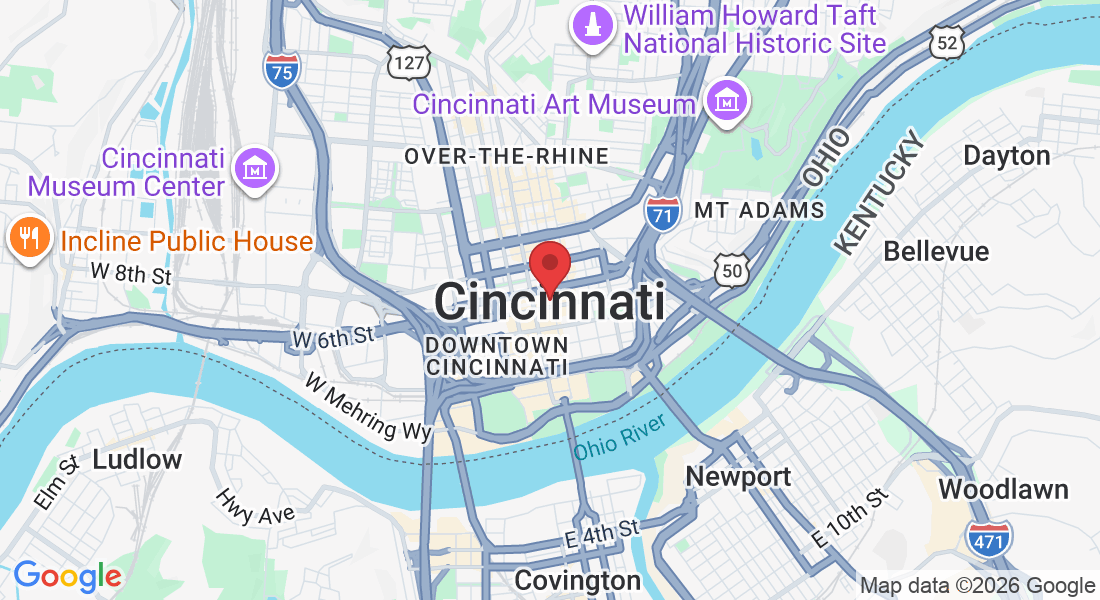
Office: Cincinnati, OH
Assistance Hours
AI Voice Assistant Available 24/7
Phone Number:
(888) 318-5165
EstiVerify
Helping vehicle owners make informed collision repair decisions through independent, evidence-based reviews.
© 2026 EstiVerify - All Rights Reserved