
Liability & Fault Disputes Guide
Liabilty and fault disputes: Fact Finding or Delaying Tactics?
Liability and Fault Dispute Guide
Fault decisions affect everything from payout amounts to rental coverage. When the insurance company does not agree with your version of events or blames you unfairly, the claim becomes confusing and stressful. This guide explains common fault disputes and what you can do next.
Common Liability and Fault Questions
Why did insurance say I am at fault when the other driver hit me
Fault decisions can be influenced by statements, police reports, or unclear evidence. Insurance companies sometimes assign fault incorrectly to reduce payout amounts.
EstiVerify reviews your estimate and damage pattern to show whether the fault decision matches the collision facts.
Why did they say fault is fifty fifty
Fifty fifty fault splits the cost and limits how much each insurer pays. In many states insurers prefer this outcome unless the evidence is clear.
EstiVerify helps you evaluate the damage pattern and whether fifty fifty makes sense.
Why did they ignore the police report
Police reports are influential but not always final in insurance decisions. Adjusters sometimes disagree with the officer’s interpretation.
EstiVerify shows whether the physical damage supports the report’s findings.
Why did insurance accept the other driver’s story over mine
When stories conflict, insurers may side with the version that reduces payout. This happens often in low visibility or intersection crashes.
EstiVerify reviews the estimate and shows whether the damage pattern supports your version of events.
Why is the adjuster saying the damage does not match my story
Adjusters sometimes claim the damage pattern is inconsistent. This can be accurate or a tactic to question your claim.
EstiVerify evaluates your damage and estimate to confirm what actually fits the impact.
Why did they deny fault because there were no witnesses
Without witnesses insurers rely on statements and damage patterns. When both stories conflict, they may assign shared or unclear fault.
EstiVerify helps translate the physical damage into clear supporting evidence.
Why did they claim I could have avoided the accident
This is used when insurers want to assign partial fault. They may argue you were driving too fast, following too closely, or not paying attention even when you were not at fault.
EstiVerify reviews the estimate to show whether the impact was avoidable or not based on real collision physics.
Why does insurance say there is not enough evidence
This usually means the insurer does not want to commit to full liability. They may be waiting for more documentation or hoping the claim settles cheaply.
EstiVerify helps you gather the right details to support your position.
Why did the insurer say the damage does not match the location of the crash
Insurers often challenge damage that seems out of alignment with the reported point of impact. Sometimes this is correct. Often it is not.
EstiVerify helps show whether the damage is consistent with your description.
Why does insurance say this is a no fault state so fault does not matter
No fault states eliminate injury liability, but vehicle damage and reimbursement still depend on fault. Many people misunderstand this.
EstiVerify helps explain what part of your claim is impacted by fault and what is not.
Why is insurance blaming me for not avoiding the crash
This is a common tactic to reduce liability. Adjusters try to assign partial fault to lower payouts.
EstiVerify reviews the repair damage and helps determine whether their claim makes sense.
Why are they accusing me of pre existing damage
Insurers sometimes argue that older damage is part of the accident to avoid paying for it. This happens often with scratches, dents, and undercarriage issues.
EstiVerify shows which items match the accident impact and which do not.
Why do they claim the other driver had the right of way
Right of way disputes occur often at intersections. Insurers sometimes rely on incomplete evidence to decide the outcome.
EstiVerify helps explain whether the damage supports or contradicts their decision.
Why are they saying the impact angle does not match the story
Impact angles can be interpreted incorrectly if an adjuster is rushing or relying on photos rather than real inspection.
EstiVerify reviews the estimate and collision pattern to identify what actually fits.
Why are they saying there is shared fault when the other driver admitted fault
Driver statements are helpful but not always accepted. Insurers may still assign partial fault to split costs.
EstiVerify reviews the damage to help you confirm whether shared fault makes sense.
Why did my recorded statement hurt my claim
Recorded statements are structured to collect details that can reduce liability. Many people unintentionally say things that insurers use against them.
EstiVerify helps you understand what the damage pattern proves compared to your statement.
Why does insurance say the other driver changed their story
Drivers often change details when talking to insurance. This creates confusion and delays fault decisions.
EstiVerify reviews the physical damage and estimate to provide clarity.
Why did they ask for extra photos before deciding fault
They may be trying to match the photo damage to the possible impact scenarios. Sometimes this is fair. Sometimes it is a stalling tactic.
EstiVerify shows what the damage actually supports.
Why are they saying the damage is inconsistent with a hit and run
Hit and run claims are often challenged because insurers want to confirm the pattern matches the description.
EstiVerify reviews your estimate to help determine whether the impact is consistent with the claim.
Why do they say my claim is under investigation for fault
This usually means they are collecting statements or reviewing evidence. It can also be used to delay payout.
EstiVerify helps explain what usually happens during a fault investigation.
What does comparative negligence mean
Comparative negligence means you can be partially at fault and still recover money, depending on your state.
EstiVerify helps you understand how this affects your payout.
What does contributory negligence mean
In contributory negligence states if you are even one percent at fault you may receive nothing. These states are strict.
EstiVerify helps you understand whether the estimate supports the insurer’s claim.
How does my state handle fault and payout amounts
State laws vary widely. Some reduce payout based on fault percentages. Others split costs differently.
EstiVerify explains what your state allows so you know what to expect.
Why did the insurer mention state minimum guidelines
Sometimes insurers cite state minimums to justify a reduced liability decision. This can be misleading.
EstiVerify helps determine whether the decision aligns with state rules.
Why do fault laws differ between states for the same accident
Every state uses its own liability rules. The same accident can produce different outcomes depending on location.
EstiVerify clarifies how your state calculates fault and payout.
Can I fight a fault decision
Yes. You can request a review, submit evidence, or escalate the claim. Many fault decisions are overturned when evidence is presented clearly.
EstiVerify helps you gather what you need before you call the adjuster.
Can I request a supervisor if I disagree with the adjuster
Yes. Supervisors handle disputes and complex cases. This is a normal part of the claims process.
EstiVerify helps you prepare your facts before escalating.
What should I document when fighting fault
Document damage, statements, timelines, and any conflicting information. Written evidence helps when fighting a decision.
EstiVerify helps identify which damage details support your position.
Can I change insurers after a bad fault decision
You can change insurers, but it does not affect the current claim. Fault decisions stay with the incident.
EstiVerify shows how the decision may impact payouts or repair steps.
How do I protect myself if I expect the insurer to blame me
Document everything early. Save photos, write your account, and keep communication in writing when possible.
EstiVerify reviews your estimate so you know what evidence supports your version of events.
Do Not Let Fault Disputes Reduce Your Claim
Fault decisions impact payouts, repairs, rental coverage, and final settlement amounts. If the insurer is blaming you unfairly or using unclear evidence, EstiVerify can help you understand what the damage shows and what you may be owed.
Get In Touch
Email: [email protected]
Address
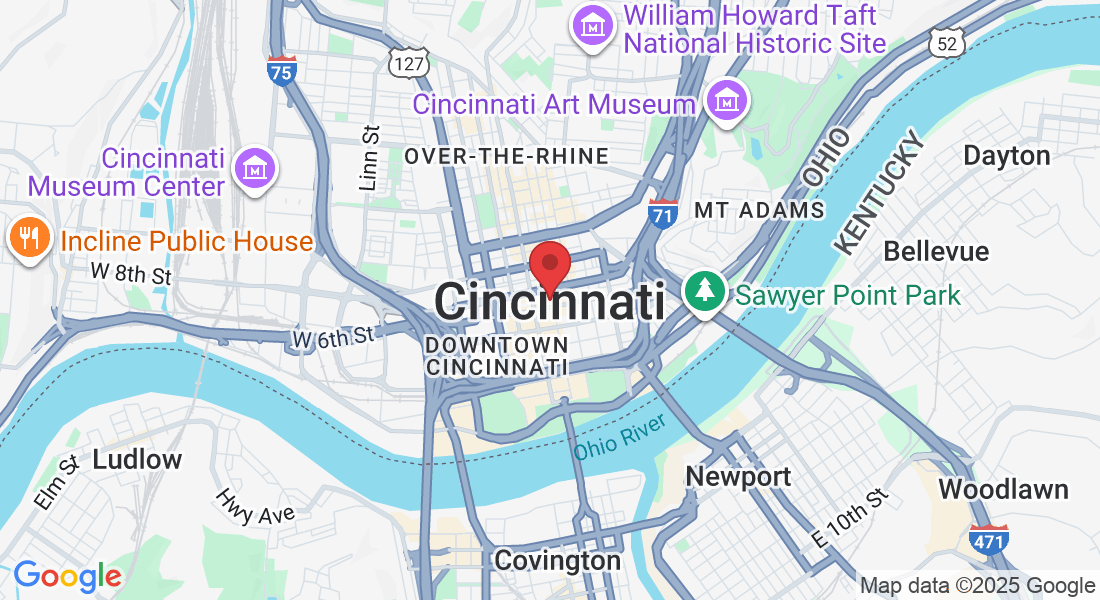
Office: Cincinnati, OH
Assistance Hours
AI Voice Assistant Available 24/7
Phone Number:
(859) 743-3041
EstiVerify
Giving vehicle owners their power back in collision repairs.
© 2026 EstiVerify - All Rights Reserved