
Total Loss Insurance Rules
in Pennsylvania
Know the total loss rules and how to Leverage a better payout from insurance
Total Loss in Pennsylvania
When an insurer declares your vehicle a total loss in Pennsylvania, it is making a financial decision based on repair cost, salvage value, and what your vehicle was worth before the accident.
This page explains how total loss claims are handled in Pennsylvania, what standards apply to valuation and documentation, and what you should understand before accepting a settlement offer.
How Total Loss Claims Are Governed in Pennsylvania
Pennsylvania uses specific standards for total loss valuation through rules that govern motor vehicle physical damage appraisers and the way replacement value is determined.
These standards are designed to make valuation methods supportable and documented, not vague or unverifiable.
Pennsylvania also has claim handling standards intended to prevent unfair settlement practices and require prompt, reasonable claim investigation and communication.
What a Total Loss Means in Pennsylvania
A vehicle is typically treated as a total loss when repairing it no longer makes financial sense compared to its value before the loss.
In practice, insurers compare estimated repair costs and salvage value to the vehicle’s pre loss value to decide whether it will be repaired or totaled.
How Pennsylvania Total Loss Values Are Determined
Total loss settlements are built around the vehicle’s value immediately before the accident. Insurers typically use local market data and comparable vehicles to support the number.
Comparable means truly comparable. Trim level, mileage, options, condition, and local availability matter. A valuation built from the wrong comps can reduce the payout.
You have the right to ask for the basis of the valuation, including what vehicles were used, where they were located, and what adjustments were applied.
Sales Tax Should Be Included in Replacement Value
Pennsylvania total loss valuation standards include applicable sales tax as part of replacement value when determining what it costs to replace a comparable vehicle.
If sales tax is missing, unclear, or handled as “your problem later,” that is a reason to slow down and review the offer before you sign.
The Total Loss Evaluation Should Be Documented
Pennsylvania standards require total loss evaluations to be supportable and traceable, not just a number on a screen.
If you are not being shown the supporting documentation, including the method used to determine value and the sources used for comparisons, you are being asked to accept an offer you cannot verify.
Common Total Loss Issues in Pennsylvania
Total loss offers often look final, but valuation problems are common. These issues can reduce what the owner is paid.
- Comparable vehicles that are not truly comparable
- Missing options or incorrect trim level
- Mileage or condition deductions that are unsupported
- Local market assumptions that do not match your area
- Sales tax not included or not clearly addressed
Before You Accept a Total Loss Settlement
Once you accept a total loss settlement, reversing valuation errors becomes harder.
Reviewing the valuation details, the comparable vehicles used, deductions, and sales tax treatment before you sign helps ensure you are not leaving money on the table.
Need Help Reviewing a Pennsylvania Total Loss Offer
EstiVerify reviews total loss valuations to identify missing value, unsupported deductions, and assumptions that may reduce your payout. If money is being left on the table, you deserve to know before you accept the offer.
Total Loss Valuation ReviewRelated topics: Pennsylvania Repair Rights | Pennsylvania Diminished Value
Get In Touch
Email: [email protected]
Address
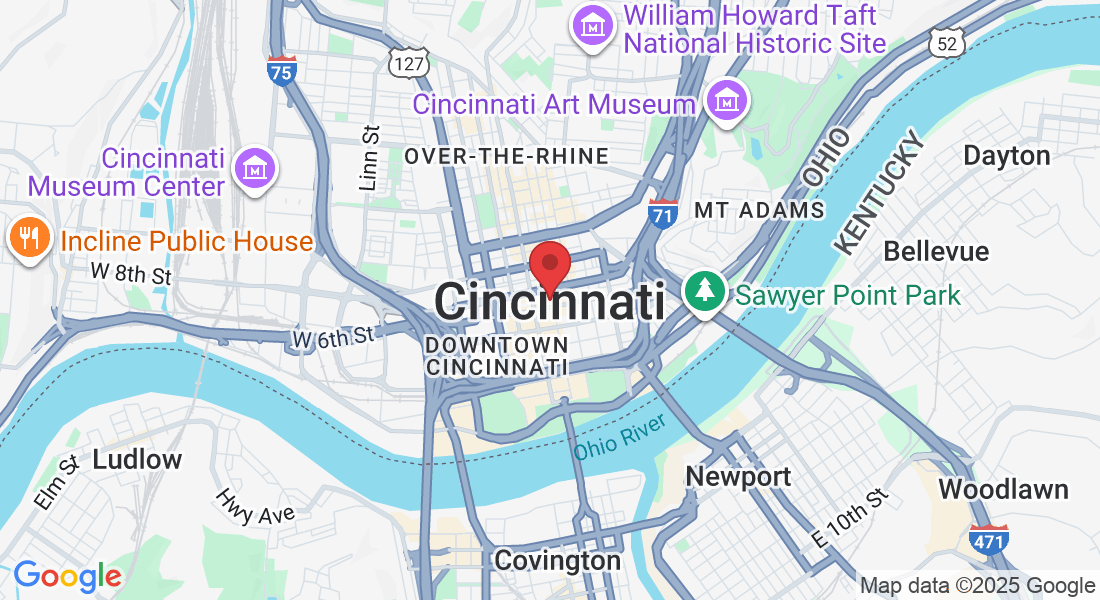
Office: Cincinnati, OH
Assistance Hours
AI Voice Assistant Available 24/7
Phone Number:
(859) 743-3041
EstiVerify
Giving vehicle owners their power back in collision repairs.
© 2026 EstiVerify - All Rights Reserved